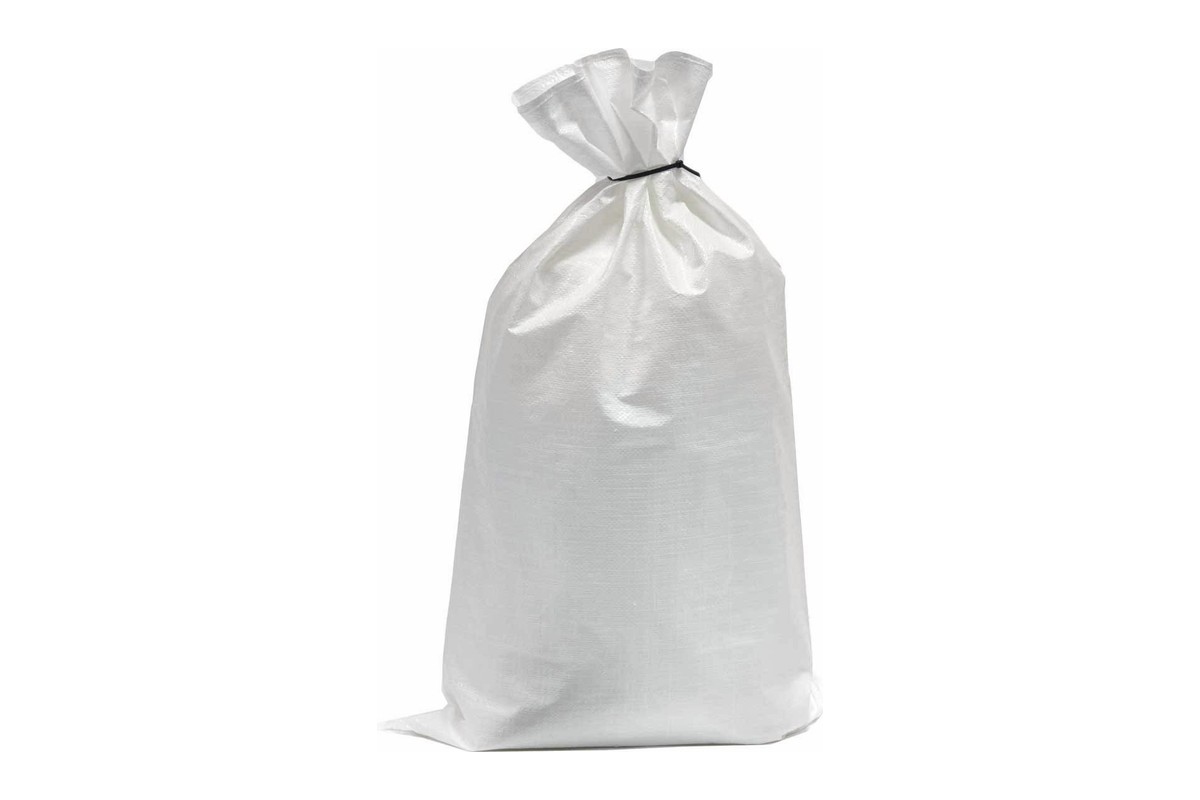
5000S
Filament & tape grade
- Density
- 0.950–0.954 g/cm³
- MFR
- 0.80–1.30 g/10 min (190 °C / 2.16 kg)
Filament and tape: monofilament, ropes, nets and woven bags.
Ask about 5000S
Seven Sinopec HDPE grades — 5000S, 5200B, 7000F, 2200J, 6098, 5502 and 6070 — supplied in 25 kg bags for blow molding, film, injection molding and pipe extrusion programs worldwide.
Who We Are
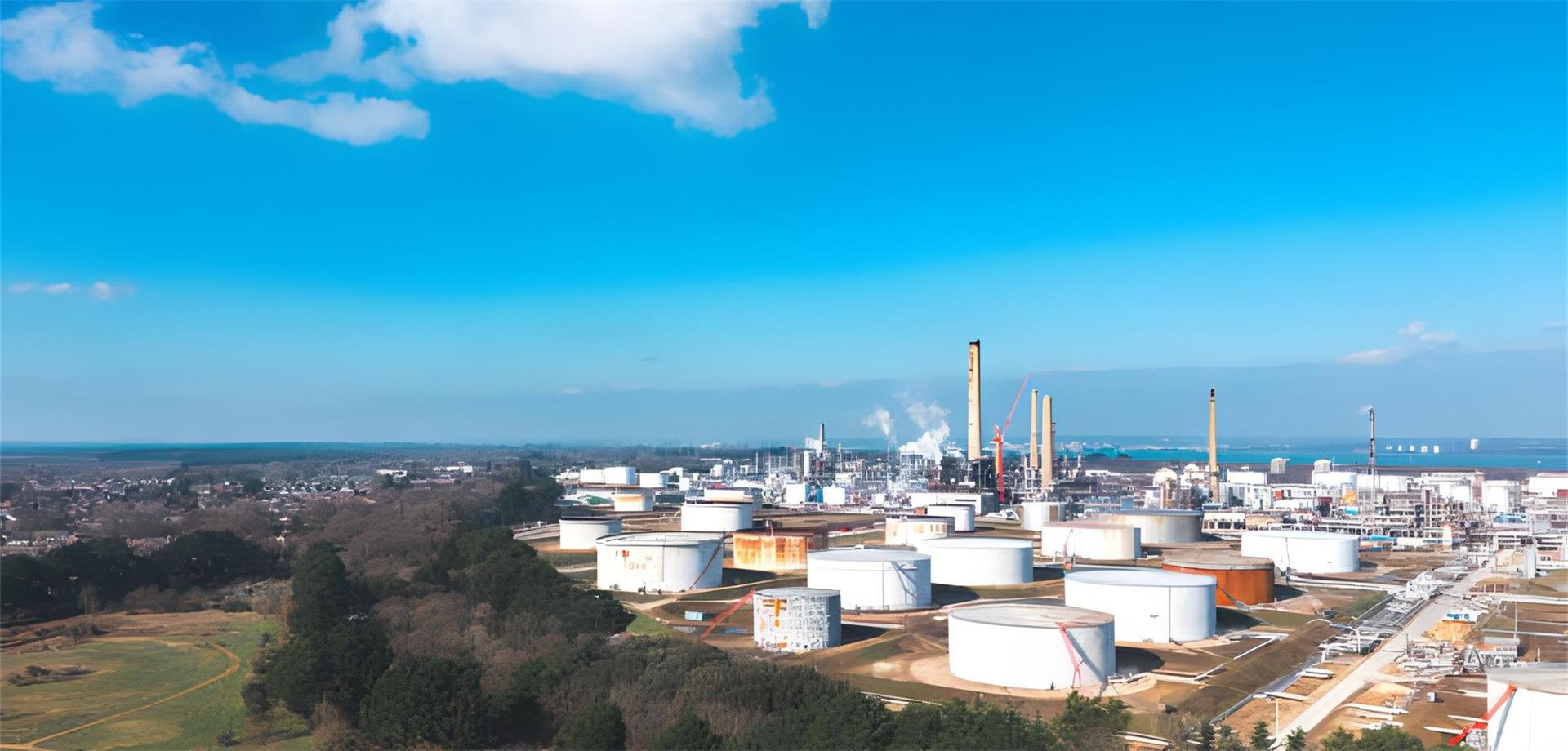
Sinopec HDPE is produced in integrated petrochemical complexes on slurry and gas-phase process lines under tightly controlled reaction conditions. Each grade is specified by density and melt flow rate before it leaves the plant.
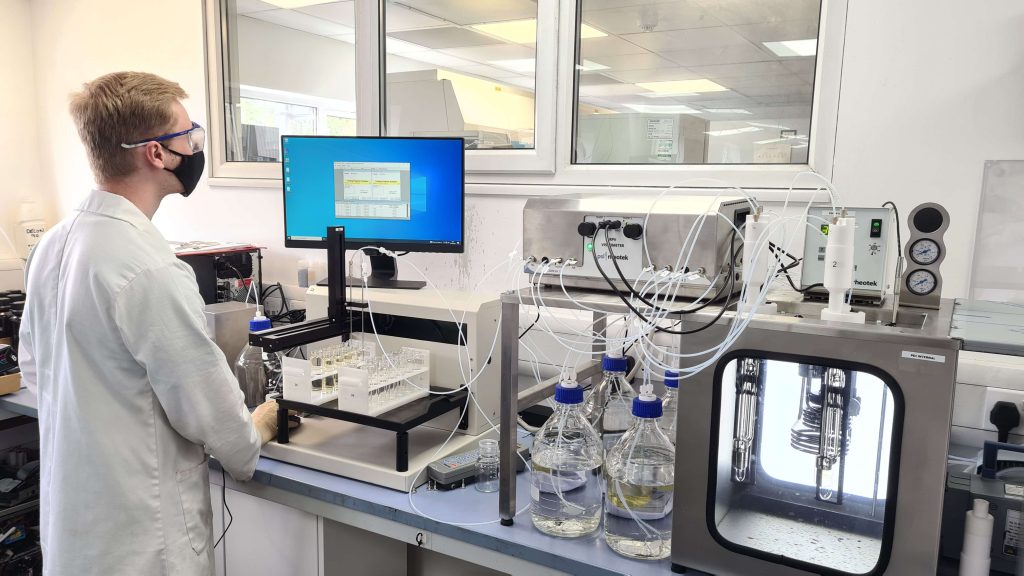
Every lot is checked against internationally recognized quality standards. Density, melt flow rate and mechanical properties are confirmed so that converters receive resin that behaves the same way on every production run.
Grade selection, documented quality and stable supply are handled from one desk. We match the grade to the process, prepare export documentation and keep delivery schedules aligned with your production plan.
HDPE grades supplied
Application groups covered
Standard bag weight
Product Portfolio
Seven core Sinopec HDPE grades for film, blow molding, injection molding, pipe and tape. Properties below are typical values; request the current TDS for specification limits.
Filament & tape grade
Filament and tape: monofilament, ropes, nets and woven bags.
Ask about 5000S
Blow molding grade
Blow molding: containers, large toys and floats.
Ask about 5200B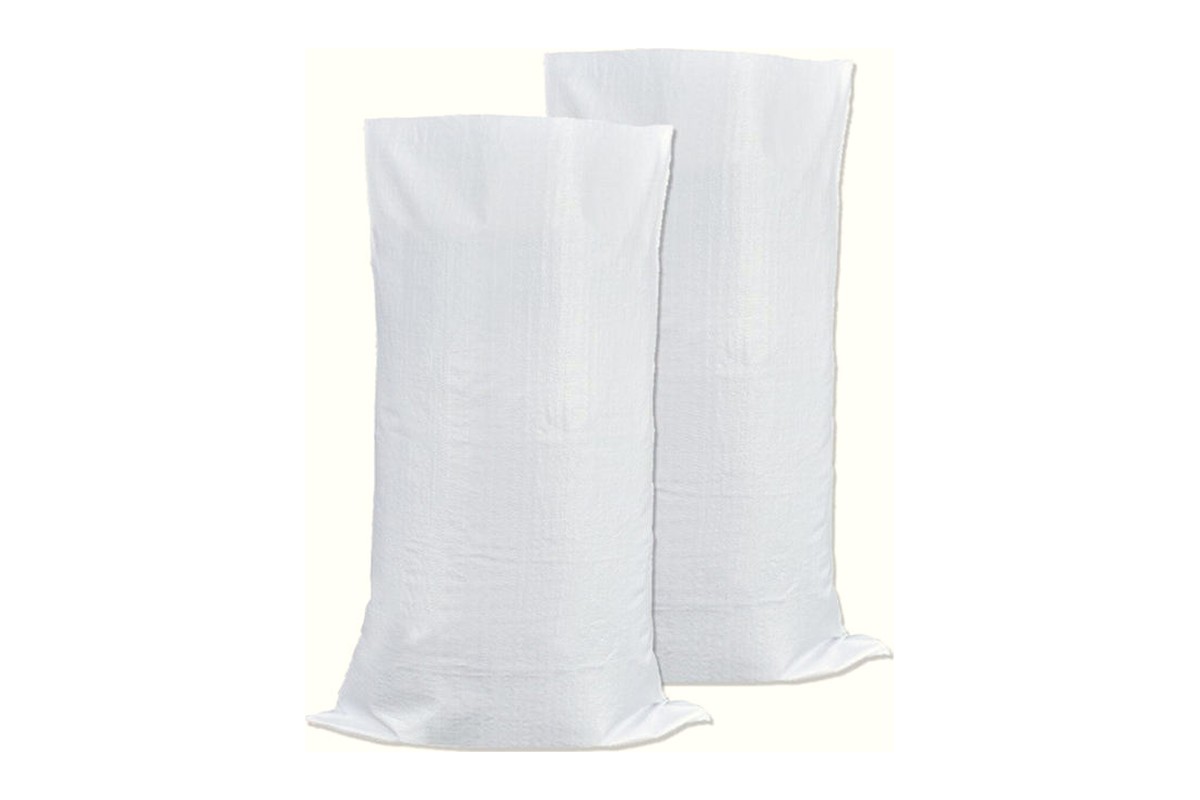
Film grade
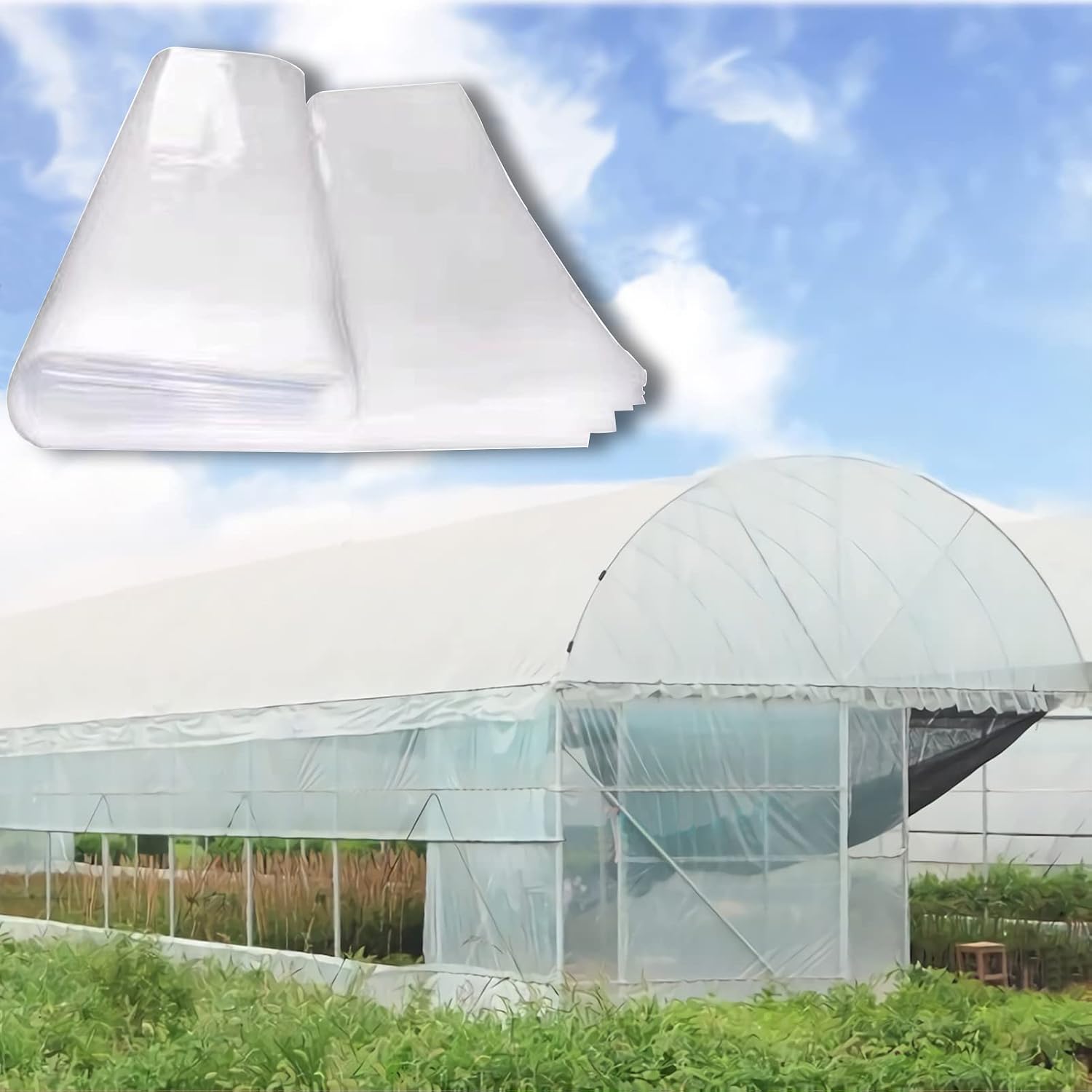
Film: greenhouse film, merchandise bags and packaging film.
Ask about 7000F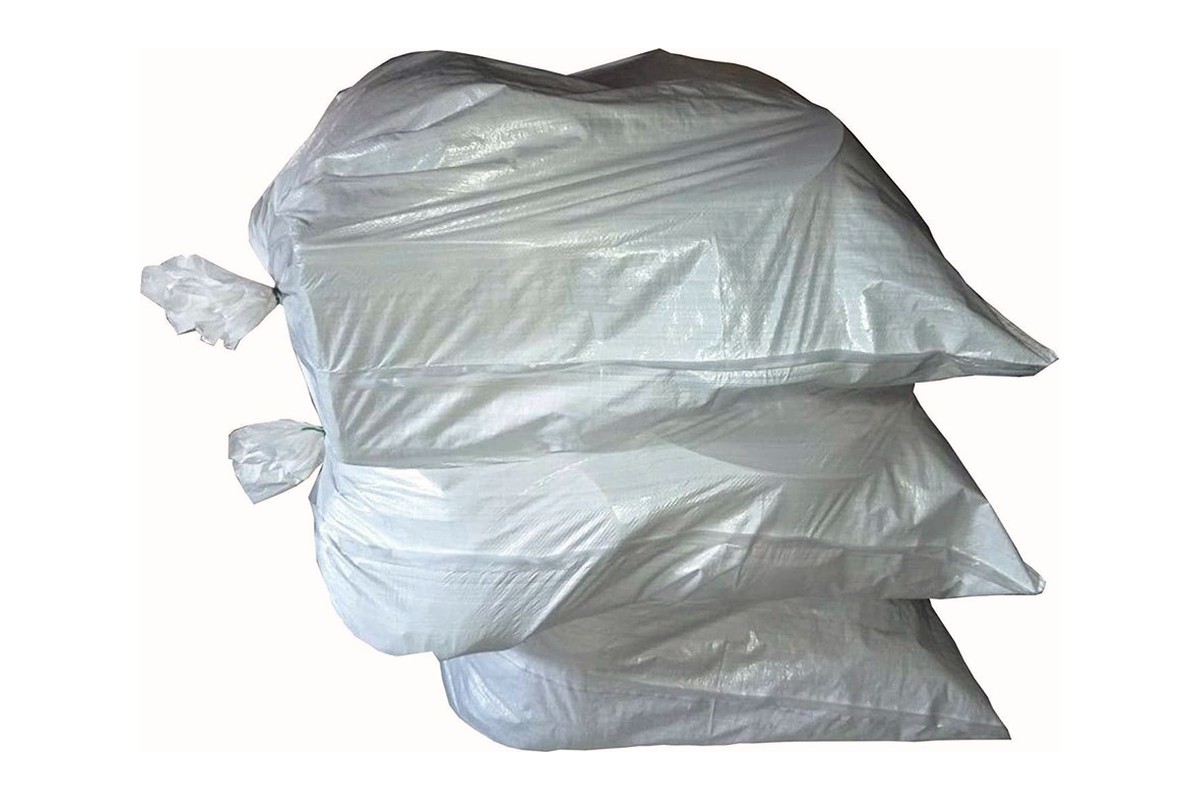
Injection molding grade
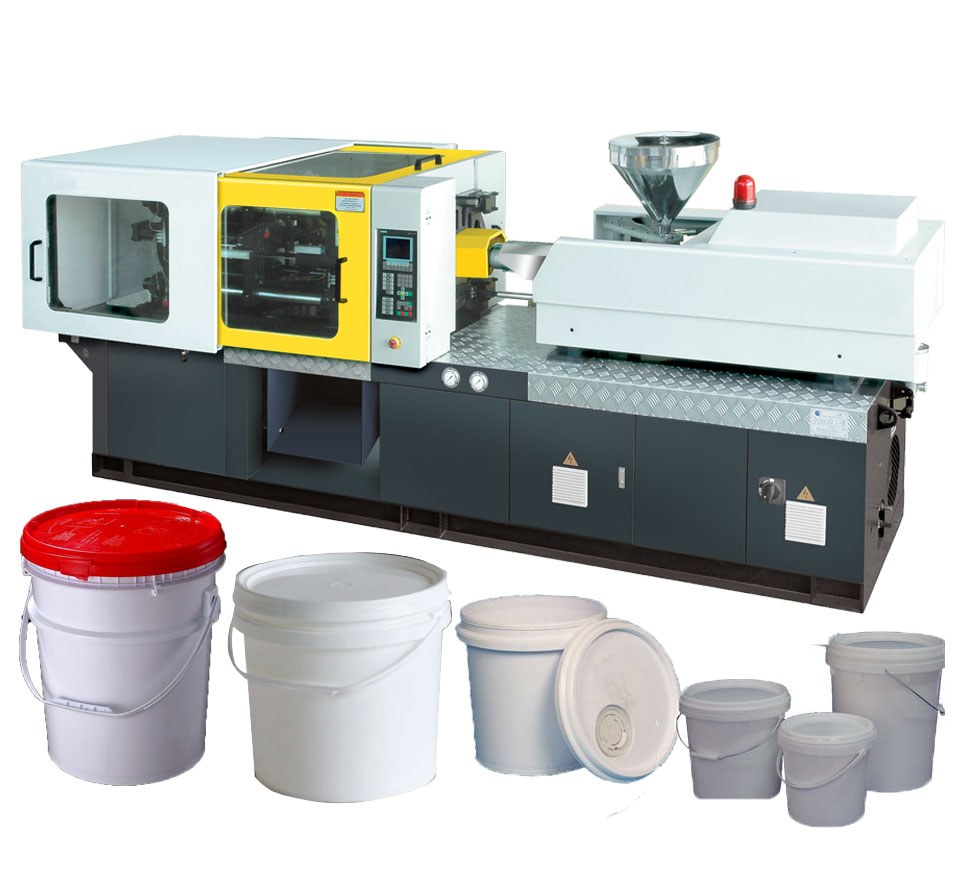
Injection molding: housewares, closures and containers.
Ask about 2200J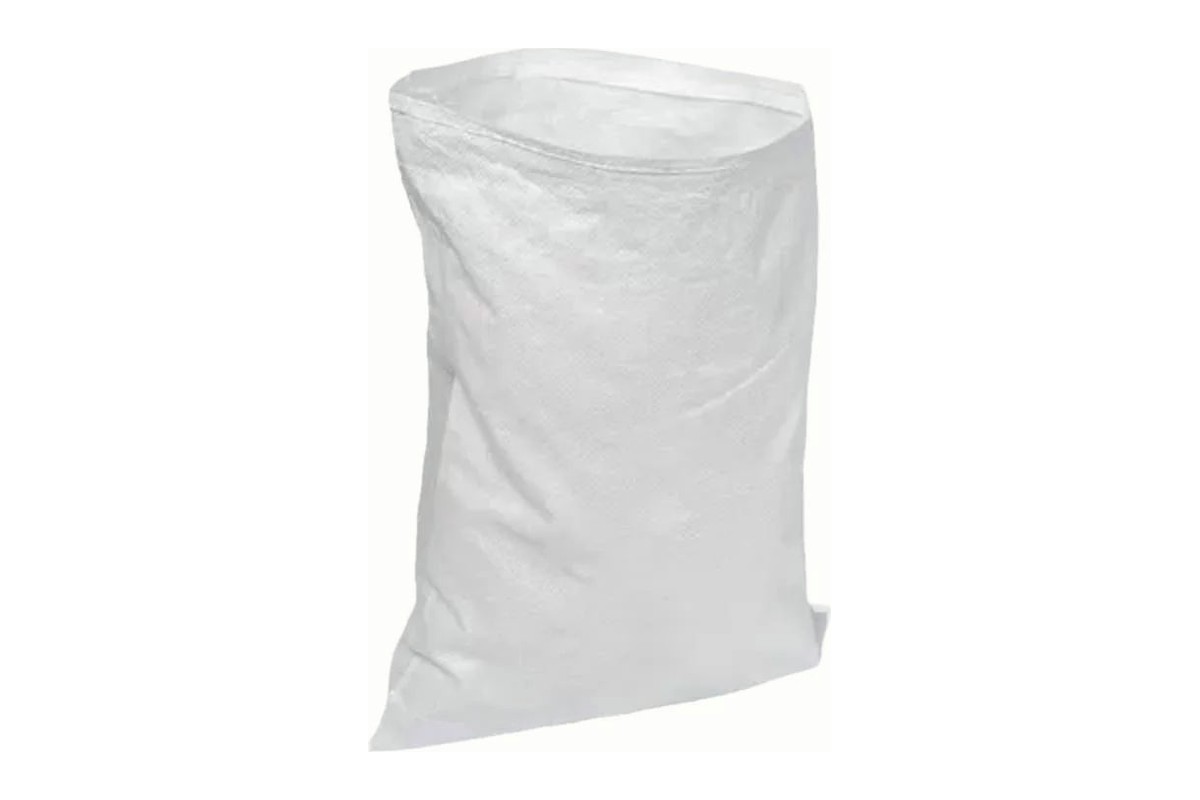
High-MFR blown film grade
High-MFR blown film: shopping bags, grocery bags, liner films and weather-resistant film.
Ask about 6098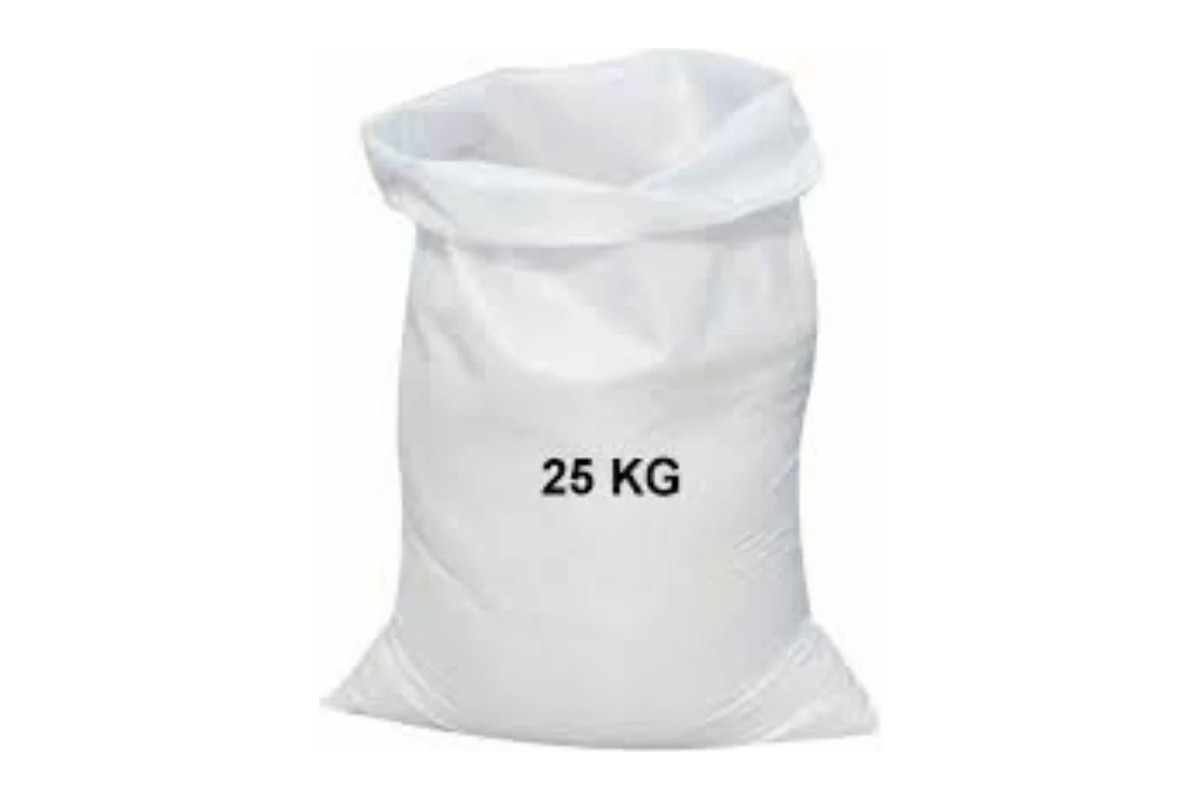
Blow molding grade
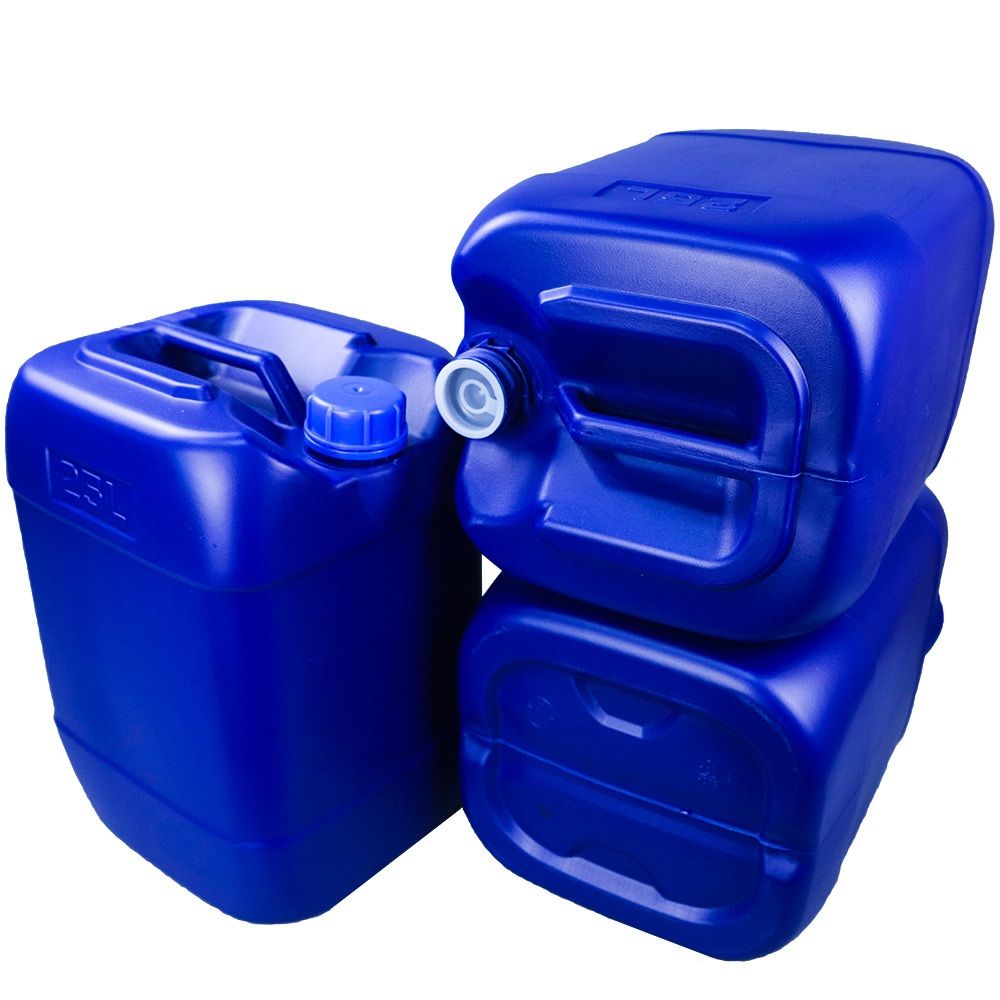
Blow molding: detergent, milk, food and cosmetic bottles, and chemical drums.
Ask about 5502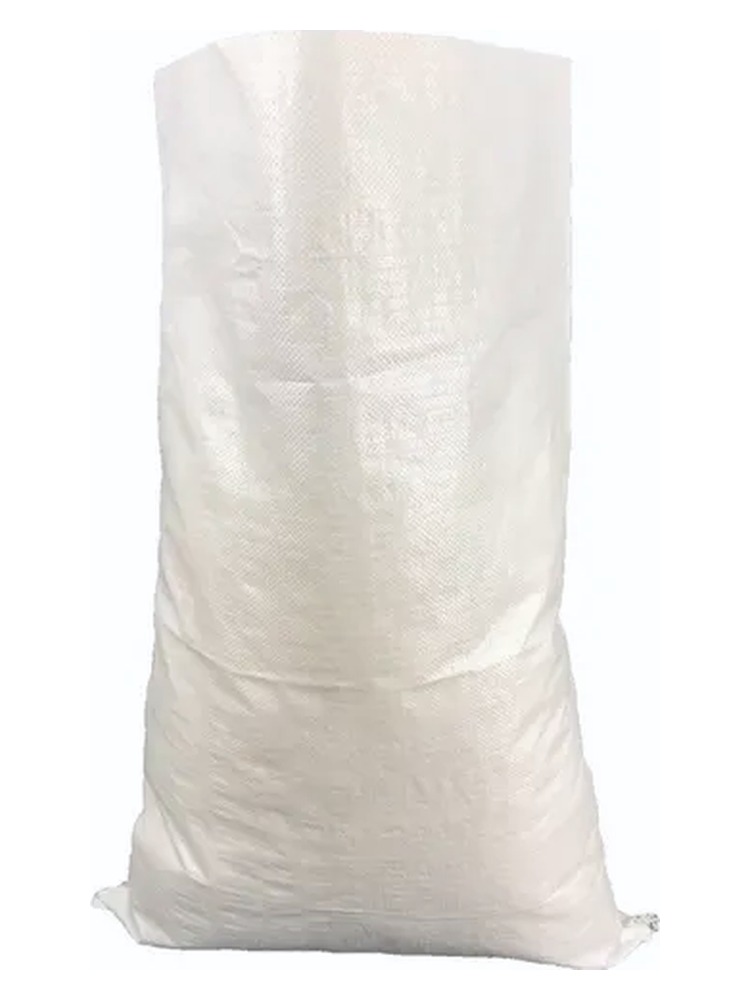
Injection molding grade
Injection molding: crates, pallets and seating.
Ask about 6070Extended Portfolio
Additional Sinopec HDPE grades available on request. Typical values shown; confirm final specification against the mill TDS.
Technical Data
Typical physical properties of the seven core Sinopec HDPE grades.
| Grade | Density (g/cm³) | MFR (g/10 min, 190 °C / 2.16 kg) | Tensile Yield (MPa) | Elongation at Break (%) | ESCR (h) | Typical Use |
|---|---|---|---|---|---|---|
| 5000S | 0.950–0.954 | 0.80–1.30 | ≥22–25 | ≥500–800 | — | Filament, Tape |
| 5200B | 0.955–0.965 | 0.35 | ≥23 | ≥500 | — | Blow Molding |
| 7000F | 0.954–0.955 | 0.04 | ≥24 | ≥450 | — | Film |
| 2200J | 0.962–0.966 | 4.5–6.5 | ≥25 | ≥80–180 | — | Injection |
| 6098 | 0.946–0.953 | 9.0–13.0 | ≥23 | ≥600 | — | Blown Film |
| 5502 | 0.950–0.955 | 0.25–0.35 | ≥24–27 | ≥600 | 35–50 | Blow Molding |
| 6070 | 0.954–0.964 | 5.5–9.5 | ≥26 | ≥950 | ≥55 (50 °C) | Injection |
Typical values from public Sinopec grade spec sheets; confirm with mill TDS for final specification.
End Uses
Five application groups map Sinopec HDPE grades to the processes converters run every day.
01
Detergent, milk, food and cosmetic bottles, chemical drums, toys and floats.
02
Greenhouse film, merchandise bags, shopping bags and liner films.
03
Crates, pallets, housewares and thin-wall parts.
04
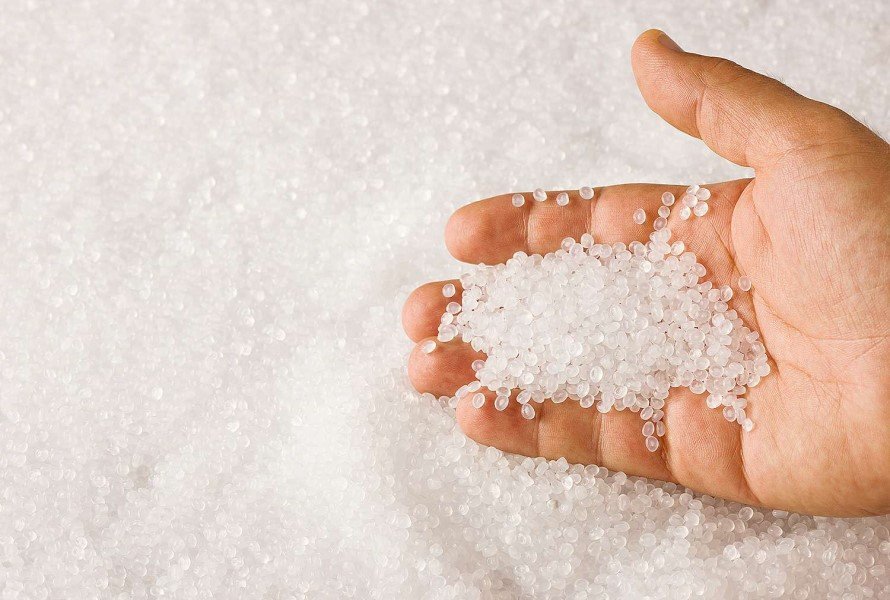
Buried drainage pipe and agriculture water lines, including hot water service with 6100M.
05
Monofilament, ropes, nets and woven tapes for packaging, agriculture and industrial hauling.
Our Advantages
Each grade is supplied to a defined density and melt flow window, so process settings stay stable from lot to lot.
Technical data sheets, COA and MSDS are available on request for every grade we ship.
Seven core HDPE grades plus additional Sinopec grades cover film, blow molding, injection molding, pipe and tape.
Grade selection and processing guidance from a team that works with HDPE converters every day.
Regular allocation from integrated petrochemical complexes keeps repeat orders on schedule.
Export paperwork, packing lists and food-contact paperwork available on request where the grade supports it.
Logistics

Answers
MOQ is confirmed per order and per grade. Tell us the grade and destination port and we will quote the smallest workable quantity.
Lead time depends on grade availability and the shipping schedule; it is confirmed in writing together with the quotation.
Sample bags can be arranged before a bulk order so your team can run a trial on production equipment.
Food-contact paperwork is available for grades intended for food packaging applications. Tell us the end use and we will confirm what the grade supports.
Yes. TDS, COA and MSDS are available on request for every grade listed on this page.
Grade selection follows the process requirement. Color compounds and additive packages are discussed per project.
FOB, CIF and EXW are standard. Payment terms are agreed in the contract for each order.
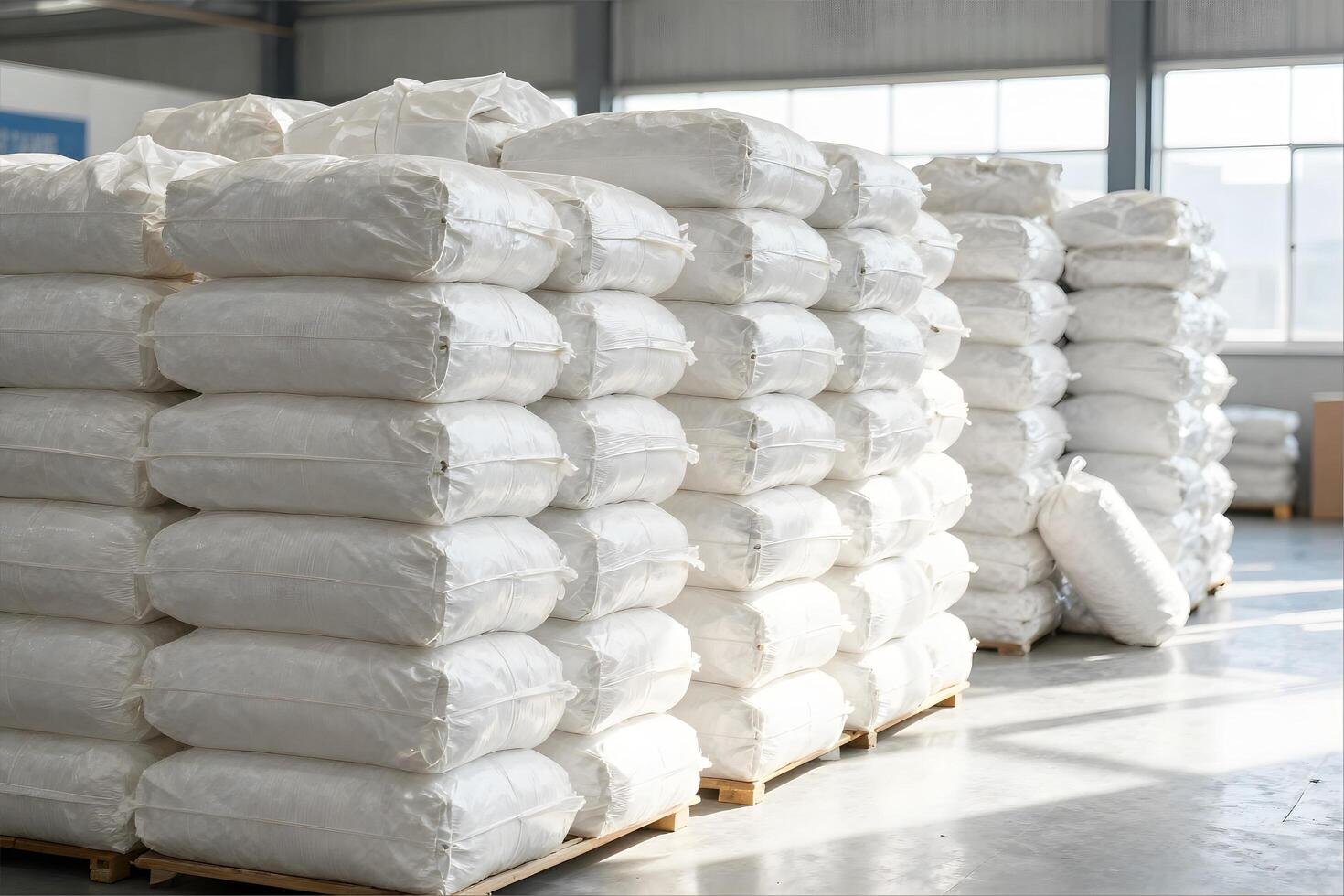
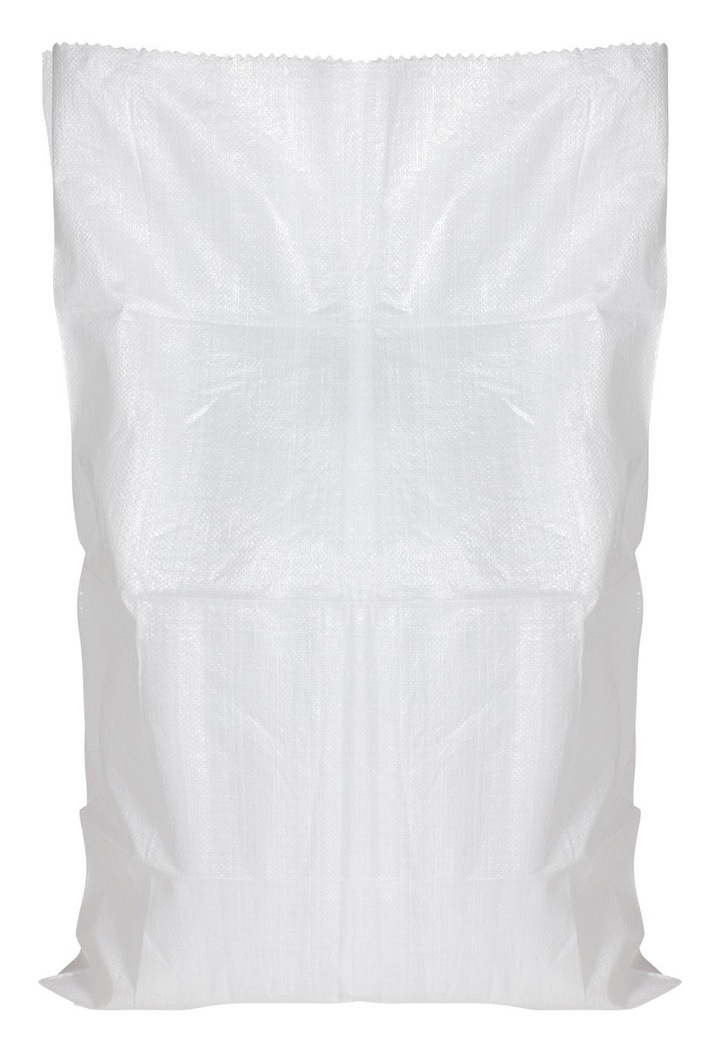
25 kg PP woven coated bags as standard, with 500–1000 kg jumbo bags available on request.
Send us the process — film, blow molding, injection, pipe or tape — and the target properties; we match density and melt flow to the application.
Each shipment carries lot documentation, so density, melt flow and mechanical data can be traced back to the production batch.
Get in Touch
Tell us the grade, quantity and destination port — our sales team replies with a documented quotation and current availability.

Scan to chat on WhatsApp
Point your camera at the code to open a WhatsApp conversation with Quinn Chai directly.
Grades supplied 5000S · 5200B · 7000F · 2200J · 6098 · 5502 · 6070
Standard packing 25 kg PP woven coated bags, 500–1000 kg jumbo bags on request
Shipping terms FOB · CIF · EXW, lead time and MOQ confirmed per order
Response Quotation with grade, packing and shipment details
Market Notes
A narrow melt flow window keeps tape line tension steady during high-speed weaving.
Density above 0.950 g/cm³ supports the stiffness that ropes and nets require.
Woven bag producers restock ahead of grain and fertiliser packing cycles.
Low melt flow gives the parison time to form before the mold closes.
Higher density raises stiffness, yet the grade must still resist drop impact.
Makers of floats and large toys plan orders around container availability.
At 0.04 g/10 min, 7000F supports stable bubble formation on blown film lines.
Film grade selection should account for season length and light transmission.
Greenhouse film demand clusters before each regional planting window.
A 4.5–6.5 melt flow range balances filling speed with shrinkage control.
Density in the 0.962–0.966 range keeps caps and closures within tolerance.
Buyers often consolidate onto one high-flow grade to streamline inventory.
Higher melt flow allows thinner gauges but demands tighter cooling control.
Resin stiffness determines how far film gauge can be reduced safely.
Converters align purchases with resin price movements each quarter.
Environmental stress crack resistance predicts how a bottle behaves with detergents.
Mold design and resin toughness together determine drum performance.
Household chemical brands keep bottle resin on recurring purchase schedules.
Density near 0.96 g/cm³ gives the load-bearing rigidity that crates require.
Faster cycles come from melt flow matched to the wall thickness of the part.
Warehouse and transport investment lifts demand for reusable crates.